AI voice generators are having a moment right now. From YouTube automation channels to SaaS apps adding voice features, everyone seems to be using them.
But here’s the problem. Most tools either sound slightly robotic or feel too technical to use daily.
That’s where PlayHT comes in.
It promises ultra-realistic voices, API-level control, and enough flexibility for both creators and developers. Sounds great on paper. But does it actually deliver?
In this review, we’ll break down what PlayHT does well, where it struggles, and whether it’s worth your time (and money) in 2026.
What is PlayHT?
PlayHT is a cloud-based AI voice generator that converts text into realistic speech. But unlike many beginner-friendly tools, it’s built with a slightly more advanced user in mind.
It’s used by:
- YouTube creators
- podcast producers
- developers building voice apps
- SaaS companies
- content marketers
What makes PlayHT interesting is that it doesn’t just focus on generating voiceovers. It also offers:
- real-time text-to-speech
- voice cloning
- API access for apps
- audio hosting for podcasts
So instead of being “just another AI voice tool,” it tries to be a complete voice platform.
Key Features of PlayHT
Let’s get into the actual features that matter.
AI Voice Generator
At its core, PlayHT is a text-to-speech tool.
You paste your script, pick a voice, and generate audio. Simple enough.
The difference is in the quality. The voices are surprisingly natural, especially for longer content like:
- YouTube narration
- blog-to-audio conversions
- training videos
You can also tweak delivery by adjusting:
- speed
- tone
- pauses
It’s not perfect, but it’s good enough that most viewers won’t question it.
Ultra-Realistic Voices (Real-Time TTS)
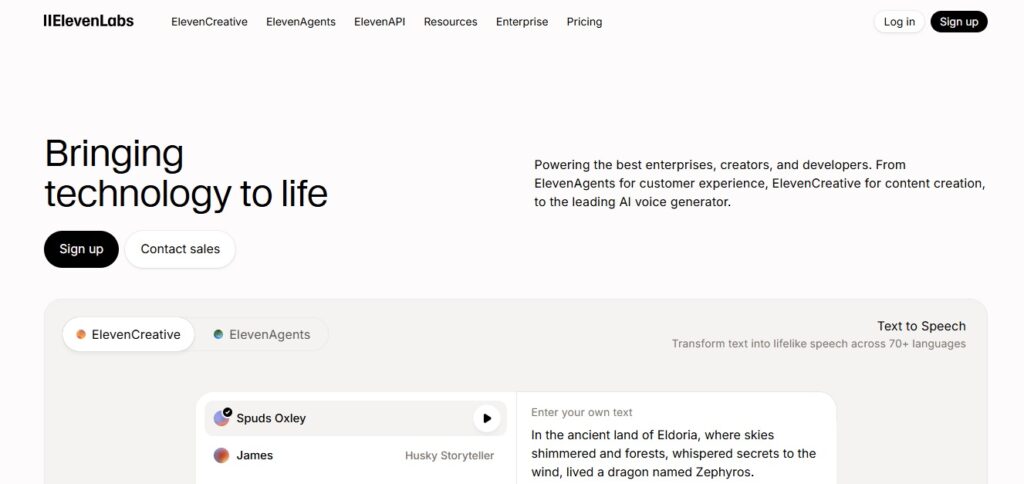
This is where PlayHT tries to compete directly with tools like ElevenLabs.
It offers real-time text-to-speech generation, meaning you can instantly hear changes as you edit your script.
For creators, that’s huge.
Instead of generating, downloading, re-editing, and repeating, you can fine-tune everything on the spot.
It speeds up workflow more than you’d expect.
Voice Cloning
Voice cloning is one of those features that sounds cool… until you actually need it.
PlayHT allows you to create custom voices based on real samples. This is especially useful if:
- you want a consistent brand voice
- you run multiple channels
- you’re building a voice-based product
Compared to basic tools, PlayHT gives more control here. But it also means there’s a bit of a learning curve.
Not exactly “click and done.”
API Access (This is the Big One)
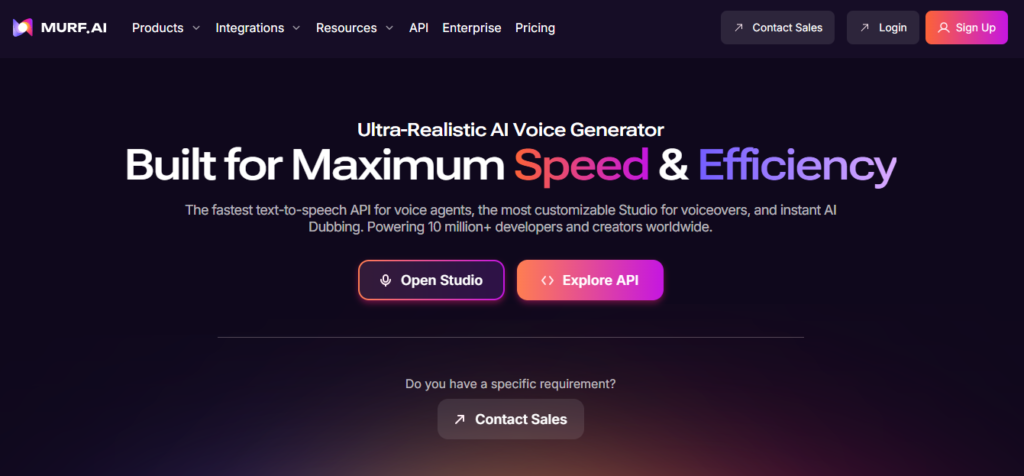
This is where PlayHT separates itself from tools like Murf AI.
PlayHT offers a developer-friendly API.
Translation:
You can integrate AI voices into your own app, website, or product.
Use cases include:
- SaaS tools with voice features
- automated customer support systems
- voice-enabled apps
- accessibility tools
If you’re just a casual creator, you probably won’t touch this.
But if you’re building something? This feature alone makes PlayHT worth looking at.
Podcast & Audio Hosting
This is a feature many people overlook.
PlayHT lets you host and distribute audio content, including podcasts.
So instead of using separate tools for:
- voice generation
- hosting
- distribution
You can manage everything in one place.
It’s not the main reason to use PlayHT, but it’s a nice bonus.
PlayHT Pricing
Pricing is where things get… a little confusing.
PlayHT offers multiple tiers depending on usage, features, and whether you need API access.
Free Plan
You can test the platform, but it’s limited.
Good for experimenting, not for serious work.
Creator Plans
These are designed for content creators.
You get:
- more voice generation minutes
- access to premium voices
- basic features
This is where most YouTubers will land.
Pro / Business Plans
These plans unlock:
- API access
- higher limits
- advanced voice features
They’re more expensive, but necessary if you’re building something beyond simple voiceovers.
Pay-As-You-Go
Some plans allow flexible usage pricing.
This is useful if your usage is inconsistent.
👉 Simple takeaway:
- Casual users → Free or Creator plan
- Serious creators → Paid plans
- Developers → Business/API plans
Pros and Cons
Let’s keep it real.
Pros
- strong voice quality
- real-time editing saves time
- powerful API for developers
- supports multiple use cases
- scalable for bigger projects
Cons
- not very beginner-friendly
- pricing structure can be confusing
- some features feel overkill for simple users
PlayHT vs ElevenLabs vs Murf AI
This is the comparison most people care about.
Voice Quality
- ElevenLabs → best realism
- PlayHT → very good, slightly behind
- Murf AI → solid but more “studio-like”
Ease of Use
- Murf AI → easiest
- ElevenLabs → simple
- PlayHT → slightly technical
Features
- PlayHT → most powerful overall
- Murf AI → best editing tools
- ElevenLabs → best raw voice quality
Best For
- PlayHT → developers & advanced users
- Murf AI → video creators
- ElevenLabs → narration & storytelling
👉 Quick summary:
If you want simplicity, go Murf.
If you want realism, go ElevenLabs.
If you want power and flexibility, PlayHT is your tool.
Who Should Use PlayHT?
PlayHT isn’t for everyone.
It’s best suited for:
- developers building voice-based apps
- SaaS founders
- advanced creators
- podcasters
- automation-focused YouTubers
If your needs are basic, it might feel like overkill.
Real Use Cases
Here’s where PlayHT actually shines.
YouTube Automation
Generate voiceovers quickly without recording audio.
Podcast Creation
Turn scripts into full episodes without a microphone.
SaaS Integration
Add voice features to your product using the API.
Audiobooks
Convert written content into spoken audio.
Is PlayHT Worth It in 2026?
Short answer: it depends.
If you’re a beginner just testing AI voices, there are simpler tools out there.
But if you:
- create content regularly
- want more control
- or plan to build something with voice tech
Then PlayHT becomes much more interesting.
It’s not the easiest tool, but it’s one of the most flexible.
Final Verdict
PlayHT isn’t trying to be the simplest AI voice generator. It’s trying to be the most capable one.
And in many ways, it succeeds.
You get solid voice quality, real-time editing, and powerful developer tools all in one platform.
That said, it’s not the best fit for beginners who just want quick voiceovers.
But if you’re serious about using AI voices, especially beyond basic content creation, PlayHT is definitely worth exploring.